A Designer's Real-World Take on the Flower Accent Embroidery
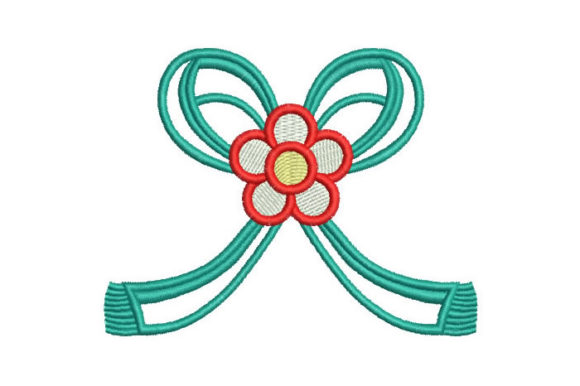
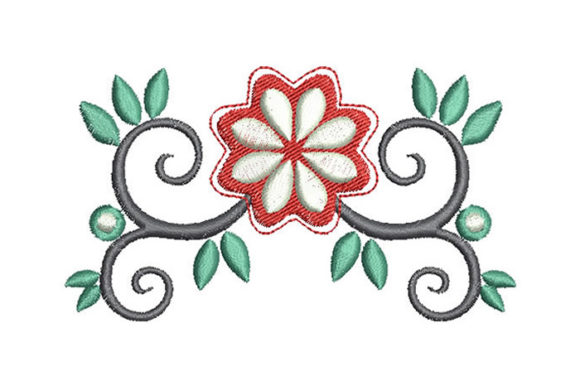
When I first opened the Flower Accent embroidery file, I was struck by its gentle, classic feel. It’s not a loud, statement piece, but rather a soft, inviting flourish. The layout suggests a balanced, organic flow—it feels like a detail you’d find on a cherished linen or a well-made apron. This isn't a design shouting for attention; it's whispering a touch of elegance. Its visual personality leans toward timeless, making it a natural fit for projects where you want to add warmth without overwhelming the base item.
Where This Flower Accent Finds Its Home
In practice, this design’s charm becomes clear. I imagined it stitched onto a natural canvas tote bag for a boutique—it instantly elevates a simple utility item into a giftable, handmade product. On the cuff of a linen pillow cover, it becomes a subtle decorative accent that feels cohesive and designerly. For a small business owner creating custom apparel, like a lightweight cotton sweatshirt, it offers a professional-looking detail that doesn’t compete with branding. I also pictured it on a baby item, perhaps the corner of a soft blanket, where its floral theme creates a sweet, nursery-friendly touch without being too busy for a little one.
The beauty of a design like Flower Accent is its versatility across different markets. For an Etsy seller, it could be the perfect, repeatable element for a line of personalized kitchen towels or aprons. For a creative entrepreneur offering embroidered patches, this could be a popular choice for customers looking for a feminine, garden-themed applique design. In my mind, it stitches out cleanly on these surfaces, becoming a reliable asset for craft business inventory.
When to Pair the Design with Caution
However, as with any embroidery design, context is key. My professional instinct suggests being mindful with certain applications. On very textured fabrics, like a loose-knit sweater, the finer details might lose clarity. On dark fabric backgrounds, the choice of thread colors becomes critical—you’d need a strong contrast to make the flower shapes pop, so testing on scrap fabric first is non-negotiable.
I’d also approach curved surfaces, like caps, with a plan. The design’s layout needs to sit comfortably on the curve without distortion, so checking the actual stitch density and potential for puckering on a test cap would be wise. For items requiring frequent washing, like baby clothes or kitchen linens, ensuring the stitch construction is secure and using the proper stabilizer during embroidery is essential for longevity and customer trust.
The Impact on Your Project's Appeal and Value
Using a well-executed design like Flower Accent directly affects your finished product's perception. When stitched cleanly, with good thread color contrast, it enhances the handmade presentation, signaling care and quality. For a gift—say a wedding gift pillow or a holiday embroidered tea towel—this adds to its giftability, making it feel special and considered. In a commercial embroidery project or for small shop merchandise, it contributes to brand consistency if it aligns with your aesthetic, fostering buyer engagement through recognizable, pleasant details.
It’s this stitching clarity that builds customer trust. A blurry, dense mess on a sweatshirt can deter a sale, but a clear, intentional floral accent suggests professionalism. It turns a digital embroidery file into a tangible product that people feel confident purchasing, whether from a craft fair table or an online printable mockup.
Practical Notes from the Hoop
Before loading this Flower Accent for a real project, my designer habits kick in. I always advise:
- Run a test on a scrap of the actual fabric you’ll use—the same texture and weight.
- Check how the design looks on both light and dark backgrounds in a black and white mockup to plan your thread strategy.
- Review the stitch density, particularly in any smaller, detailed corners, to ensure it’s suitable for your chosen hoop size and fabric.
- Never assume licensing—always confirm whether the machine embroidery design is cleared for personal and commercial projects before selling finished items or using it as a commercial design asset.
- Use the appropriate stabilizer. This is the unsung hero that ensures your Flower Accent looks amazing on table cloths, decorative pillows, bedsheets, or apparel, as the description suggests.
Remember, the product description mentions it comes with multipl... which implies some flexibility, but as a reviewer, I can't invent specifics. You must verify the exact file formats, hoop size range, and any included versions before proceeding. This diligence separates a hobbyist experiment from a reliable craft business product.
Final Thoughts: A Reliable Floral Companion
Stepping back, the Flower Accent feels like a dependable member of the Floral Garden category. It’s a design I’d reach for when a project needs a touch of soft, structured beauty without a full botanical scene. Its strength lies in its accent nature—it complements rather than dominates. For apparel decorators, digital product sellers, and makers looking for a design that translates well from screen to stitch, this one, provided the technical details are sound, has the potential to become a go-to for creating valued, embroidered projects.