A Practical Review of the Baby Koala Embroidery Design
When you come across a new embroidery file for a potential project, the first step isn't hitting the download button. It's a visual and practical audit. You're asking: does this design have the personality and technical clarity to work in the real world? Let's put the Baby Koala machine embroidery design through that lens, imagining it stitched out on a real product for a real customer.
The Mood Is Simple and Sweet, But Does It Hold Up?
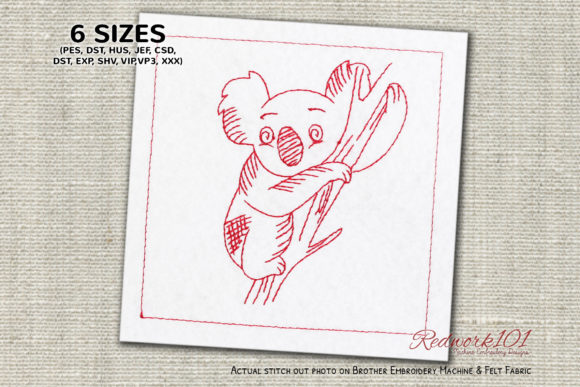
The first impression of Baby Koala is one of gentle charm. It’s a classic redwork-style design, meaning it relies on line work rather than dense fills to create its character. The koala itself has a soft, friendly posture. This isn’t a hyper-detailed wildlife portrait; it’s a decorative accent with a happy vibe. That personality makes it an immediate candidate for projects where warmth and simplicity are key: a baby’s blanket corner, a cozy pillow cover for a nursery, or the front of a soft hoodie. The design’s layout is clean and centered, which is excellent for straightforward placement on apparel or home decor. The optional box stitch border shown in the product picture is worth noting—it frames the koala, giving it a more finished, intentional look that elevates it from a casual doodle to a deliberate design element.
Where This Koala Shines in Your Project Queue
Thinking through my own project pipeline, I see several spots where Baby Koala would slot in perfectly. Its adorable, non-seasonal theme makes it a strong candidate for evergreen boutique products. Imagine stitching it onto a canvas tote bag for a small shop—it becomes a charming, sellable piece of handmade product. For an Etsy seller specializing in personalized gifts, this koala embroidered on a child’s apron or a set of tea towels becomes a unique, heartfelt item. The design’s scale, as implied by its description, seems suited to a moderate hoop size, making it efficient for small business merchandise like caps or the front of a sweatshirt. In the realm of commercial embroidery for a client, it could easily become a logo or mascot for a nature-themed brand, a kids’ club, or a family business.
Its appeal for baby items and nursery decor is obvious, but don’t limit it there. Stitched onto a kitchen towel, it becomes a cheerful daily accent. As an embroidered patch, it could be applied to a backpack or jacket. The key is that the design’s universal cuteness translates across many product types, which is a valuable asset for a digital embroidery file meant for broad use.
Caution Areas: Fabric, Scale, and Presentation
While the product description says it will add a cute accent to any fabric, a practical designer knows that's a starting point, not a guarantee. Redwork designs, with their running stitch outlines, can be trickier on certain materials. On highly textured fabrics like some fleeces or nubby linens, the fine lines might not stitch with perfect clarity. On very thin or stretchy fabric, like a lightweight t-shirt, you’ll need excellent stabilizer to prevent distortion of those sweet koala curves. For dark fabric backgrounds, thread color contrast is paramount—you’d likely swap the traditional red for a bright white or pastel to maintain visibility.
The biggest consideration is likely scale. If the design is intended for a very small hoop, those details need to be examined closely. Tiny, intricate corners or close-together lines can become muddled. Always test the design on a scrap of your intended project fabric first. This isn’t just about checking stitchout quality; it’s about preserving the handmade presentation and professionalism of your finished product. A fuzzy, poorly-defined koala on a customer’s custom apparel damages trust, while a crisp, clean stitchout enhances product value and brand consistency.
Thinking Like a Customer: The Giftability Factor
When I evaluate a design for commercial use, I also try to see it through a customer’s eyes. Baby Koala has high giftability. It feels personal and kind. Stitched onto a pillow cover or a baby item, it becomes a memorable wedding gift or baby shower present. This emotional connection drives buyer engagement. For a craft fair product or an Etsy listing, a photo of this design beautifully stitched on a simple, high-quality item (like a linen tea towel or a cotton cap) will tell a compelling story. It looks crafted, not just manufactured. That’s the power of a well-executed embroidery design in a competitive handmade market.
Essential Designer Notes Before You Hoop It
Before you commit this design to a client project or a batch of small shop merchandise, run through this quick mental checklist. These steps safeguard your results and your reputation.
- Test First, Always: Run the embroidery file on a scrap of the exact fabric you plan to use. Check for stitch density issues, thread breaks, or any skipped details.
- Contrast Check: View the design in a black and white mockup or imagine it on both light and dark backgrounds. Does the necessary thread contrast exist for it to pop?
- Hoop and Stabilizer: Confirm the hoop size required. Match it with the correct stabilizer for your fabric type—don’t guess.
- Small Detail Inspection: Zoom in on the digital file preview. Look at the ears, the nose, the optional box stitch corners. Are they clear and separate?
- Licensing for Commercial Use: The product description doesn’t specify licensing terms. It is critical to confirm whether this design is licensed for finished product sales, for commercial embroidery projects, or for use as a digital product preview before you sell anything bearing it.
- Machine Compatibility: Ensure the embroidery file format is compatible with your machine. This is a basic but often overlooked step.
Remember, the optional box stitch border isn’t just a decorative extra. It can add structural definition to the design, framing it and potentially making stitchout on curved surfaces like caps more manageable by creating a clear boundary. Consider testing both with and without it.
The Final Verdict: A Versatile, Mood-Boosting Asset
From a professional designer’s point of view, the Baby Koala embroidery design is a versatile and mood-boosting asset for your toolkit. It belongs in the Wild Animals category, but its true utility is in the realm of everyday charm. It’s not an overly complex design that will eat up production time, but it’s distinctive enough to avoid feeling generic. Its success hinges entirely on your preparation—the right fabric, the right scale, the right stabilizer, and the confirmed licensing for your intended use. When stitched with care onto a thoughtfully chosen product, it will create a finished product that feels special, handmade, and engaging. It’s a koala that can work hard for your craft business, your client work, or your personal gift-making, provided you give it the proper foundation.