Brown Marron Leaf: An Embroidery Designer's Product Review
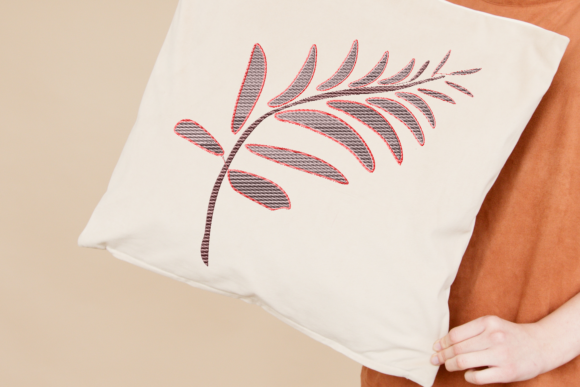
As a professional embroidery designer preparing products for a weekend craft fair, my first task is to evaluate each machine embroidery design not just for its beauty, but for its real-world selling power. When I look at Brown Marron Leaf, my initial impression is one of elegant, modern simplicity. This is a splendid decorative leaf embroidery design that leans into a natural, premium feel. It isn't overly rustic or farmhouse, nor is it excessively minimal. It strikes a balance that feels decorative and versatile, which is exactly what you need for a handmade market booth.
Where the Brown Marron Leaf Design Stands Out on Products
My booth display includes a range of items: tote bags, aprons, tea towels, patches, caps, small pouches, pillow covers, and giftable handmade items. I need to decide where this design will shine and attract customer attention.
For tote bags and market bags, Brown Marron Leaf offers a sophisticated accent. It works beautifully as a single, focal design placed centrally or on a corner. On aprons and pillow covers, it brings a touch of modern home decor without being too thematic. This is key for craft fair products; designs that are too seasonal or niche limit your customer base.
One of the best applications, in my opinion, is on tea towel embroidery. A single, well-placed leaf on a high-quality linen towel elevates a simple kitchen item into a giftable handmade product. It photographs beautifully for Etsy listings and feels premium in person. For small pouches or embroidered patches, the design needs to be evaluated at a smaller size. The description says it's fun and easy to stitch and will look great on any fabric, but I always advise: check tiny details before batch production. Some intricate leaf veins might lose clarity if reduced too much.
Practical Production and Selling Considerations
When turning a digital embroidery file into a craft fair product, practicality is everything. The description suggests this design is easy to stitch. For a business owner, that translates to efficient production. If the stitch density is manageable and the design doesn't have overly dense areas, it becomes repeatable for creating batches of, say, ten tote bags or twenty towels.
Fabric texture matters immensely. This design would look striking on smooth cottons for bags, but also on the textured weave of a good tea towel. However, on curved surfaces like caps, you must test on scrap fabric first. The stabilizer choice will be critical to prevent distortion. On dark fabrics, thread contrast is vital; the "maroon" and "brown" color theme suggests it might be designed for good contrast on lighter backgrounds, but always test on your actual production fabric.
For online sellers, creating at least one real mockup is non-negotiable. A printable mockup can help visualize, but a physical sample tells you how it feels, how the thread catches light, and how it sits on the product. This firsthand knowledge boosts your confidence in your Etsy listings and helps you describe the handmade quality authentically.
Design Details That Drive Customer Engagement
Brown Marron Leaf has an immediate visual appeal that is easy to understand at a glance. Customers at a busy fair don't spend minutes deciphering a design; they respond to clear, attractive aesthetics. This leaf design, as a single flowers plants motif, is instantly recognizable and emotionally neutral—it's not a logo or a statement, it's simply beautiful decoration. This broad appeal increases its chance of selling.
It can work as a small accent or a larger focal point, which gives you flexibility across product types. A large version on a pillow cover can anchor a booth display, while smaller versions on pouches create a cohesive brand look across your table. Consistency in your booth display strength is powerful; using the same design in different applications shows versatility and builds your shop's identity.
Critical Notes for the Embroidery Business Owner
Before you load the embroidery file and start production, here are my direct designer notes:
- Always confirm the commercial licensing of the digital embroidery file before selling finished products. Not all files are cleared for commercial embroidery.
- Review the actual design spacing and recommended hoop size. Even if it's "easy to stitch," an improperly hooped project can ruin fabric and waste time.
- Compare fabric colors. The brown and maroon palette will pop on creams, beiges, light grays, and whites. It may get lost on very dark navy or black unless the thread colors are specifically chosen for high contrast.
- Inspect stitch density in the file preview. Dense areas can be challenging on thick fabric like canvas totes and may require a heavier stabilizer.
- Create that real mockup. It's the ultimate test for photographing for online sales and for judging the product value you're adding.
The Final Verdict for Your Handmade Shop
From my perspective preparing for a craft fair, Brown Marron Leaf is a strong contender for your product lineup. Its modern, decorative feel aligns with current home decor trends, making it excellent for pillow covers and tea towels. Its simplicity makes it a reliable choice for batch production on items like tote bags and aprons. It lacks a festive or humorous element, which means it won't be a seasonal flash-in-the-pan product; it can be a steady, year-round item in your small shop product catalog.
The key to success with this design, as with any machine embroidery design, is in the execution. Pair it with high-quality fabrics, use the correct stabilizer, and present it on products that feel giftable and useful. In a booth display, a well-embroidered linen towel with this leaf or a clean canvas tote bag with a single, elegant leaf placement will catch a buyer's eye through its understated sophistication. It speaks of handmade quality without shouting it. For creative entrepreneurs looking to build a cohesive, premium brand, Brown Marron Leaf offers a versatile, aesthetically pleasing foundation.
Remember, the product description gives a positive overview, but your job as a maker is to validate it for your specific context. Test, sample, and compare. Then, stitch with confidence for your market.