Evaluating the Decorative Pattern Embroidery Design for Business Merch
As a designer specializing in branded merchandise, I review embroidery files not just for aesthetics, but for their functional performance on real products. Today, I’m looking at the Decorative Pattern, categorized as a Paisley type embroidery design, to see how it holds up for small business use.
First Impression: Visual Personality and Brand Fit
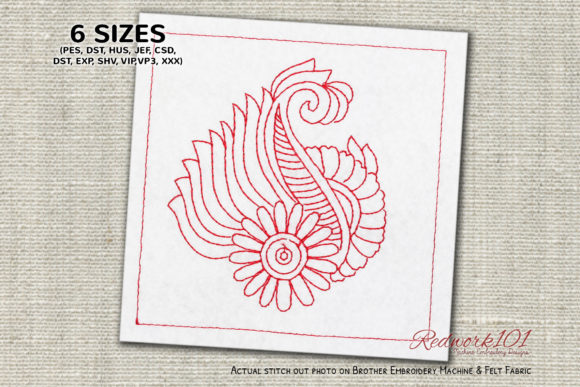
The title Decorative Pattern suggests a versatile, ornamental motif. The optional Box Stitch outline mentioned in the description is a crucial detail; it frames the design, offering a clear boundary. This can make the design appear more professional and finished, especially on items like patches or uniform logos. Without the box, the pattern feels more freeform and organic, leaning into a handmade, rustic personality.
For a small business, this duality is valuable. A boutique or creative studio might prefer the unframed, elegant flow for tote bags or aprons, while a café or pet brand might opt for the defined box on caps or work shirts for a bold, recognizable mark. The inherent paisley style brings a classic, decorative feel that can be interpreted as playful, elegant, or premium depending on thread color choices.
Real-World Performance on Business Merchandise
Let’s translate this design into tangible products. For embroidered patches, the Decorative Pattern’s detail is key. Whether used as a standalone logo accent on a sleeve or as a product label for a handmade shop, the design must maintain clarity at small sizes. The optional box stitch can be a huge asset here, creating a clean edge that makes the patch look intentional and high-quality.
On staff uniforms, aprons, and work shirts, this design works beautifully as a chest logo or sleeve detail. Its decorative nature adds visual interest without being overly corporate. For a florist or bakery, it conveys a sense of craft and care. On caps, you must carefully consider scale and stitch density—the intricate paisley curves need enough space to be readable on the curved front of a hat.
Tote bags, apron pockets, and product packaging accents are perfect canvases. Here, the Decorative Pattern can shine as a larger, more artistic brand mark. It elevates simple merchandise, turning a basic tote into a desirable customer gift or event merch item. For Etsy sellers and craft businesses, it becomes a core design asset for building visual consistency across their line.
Application Notes and Areas for Caution
Every embroidery design has its sweet spots and its challenges. With the Decorative Pattern, pay close attention to these scenarios:
- Small Patch Sizes: Test the digital embroidery file at the intended tiny size first. The paisley details may need simplification to avoid a muddy, dense look.
- Cap Fronts and Curved Surfaces: Hoop size and stabilizer choice are critical here to prevent distortion of the pattern’s graceful curves.
- Dark Uniforms or Textured Fabric: Thread color contrast is paramount. A light pattern on a dark shirt needs bold, contrasting threads to pop.
- Items for Frequent Washing: High stitch density in small areas can make the design less durable over many washes. Balanced density is key for longevity.
These considerations directly affect customer trust and perceived product value. A poorly executed, blurry patch on a cap looks amateurish. A crisp, well-placed design on an apron speaks to professionalism and attention to detail.
Brand Identity and Commercial Impact
Integrating the Decorative Pattern into your brand’s visual identity requires thoughtful application. This isn’t just decoration; it’s a brand identity tool. Used consistently on uniforms, merchandise, and product labels, it builds recognition. The decorative, slightly traditional feel can enhance a brand story centered on craftsmanship, heritage, or artisanal quality.
For a handmade presentation, the unframed version of the pattern can make products feel uniquely crafted. For a more modern, bold brand, the boxed version provides structure and clarity. It’s about aligning the design’s personality with your business’s voice to boost buyer engagement and visual consistency.
Practical Designer Checklist Before Production
Before you run this machine embroidery design on a commercial project, here’s my standard review protocol:
- Test in Black and White: Embroider a sample using only black thread on white fabric and white on black. This reveals the pure form and any potential readability issues without color influence.
- Check Small Patch Size Performance: Hoop it at the smallest size you intend to use (e.g., 1.5 inches) to verify detail retention.
- Review Thread Color Contrast: Plan your palette based on the final fabric color. Remember, the outer box color is often different, as noted in the description—use this to create dynamic contrast.
- Inspect Spacing and Density: Look at the stitch spacing in the digital embroidery file preview. Areas too dense can pucker fabric; too sparse can look unfinished.
- Test on Real Fabric: Run a sample on the actual fabric you’ll use for uniforms, tote bags, or aprons. Fabric texture changes everything.
- Create a Printable Mockup for Client Approval: Place the design on a photo of a cap, shirt, or bag to show your small business client how it will look as a finished product.
- Compare Beside Other Design Assets: See how the Decorative Pattern works alongside your existing logo or typography to ensure harmony.
- Confirm Commercial Licensing: Before any business use, verify the license terms of this digital embroidery file allows for commercial embroidery on merchandise you sell.
These steps are non-negotiable. They transform a decorative file into a reliable, professional brand asset for your custom apparel and small business merch.
Final Thoughts for Merch Creators
The Decorative Pattern embroidery design offers a strong foundation for businesses seeking a decorative yet functional brand mark. Its flexibility—with or without the defining box stitch—allows you to tailor its feel. Whether aiming for a friendly, playful look for a pet brand or an elegant, premium vibe for a boutique, this design can be adapted through careful application.
Success lies in treating it as a component of your larger brand system. Don’t just embroider it; integrate it. Use it to add value to your aprons, create collectible patches, or mark your handmade products with a signature touch. Always start with testing, respect the technical requirements of each product type, and ensure it aligns with the professional image you want to project. When executed well, this Decorative Pattern becomes more than a pattern; it becomes a recognizable symbol of your business’s identity.