Halloween Gnomes: A Designer's Review for Real Projects
When you download a new embroidery file, the first question isn’t just about its quality, but about its real-world personality. How will it stitch out on fabric? What kind of mood does it actually convey to a customer? I approach every design, like these Halloween Gnomes, from the perspective of a working crafter: will this hold up on a client’s sweatshirt, or look charming on a boutique kitchen towel? Let’s walk through that practical judgment.
The Immediate Charm & Where It Belongs
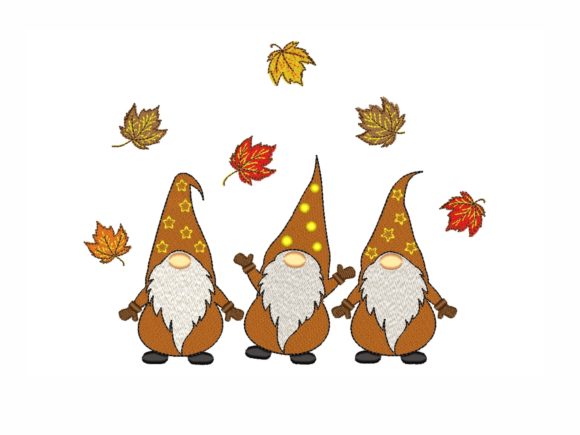
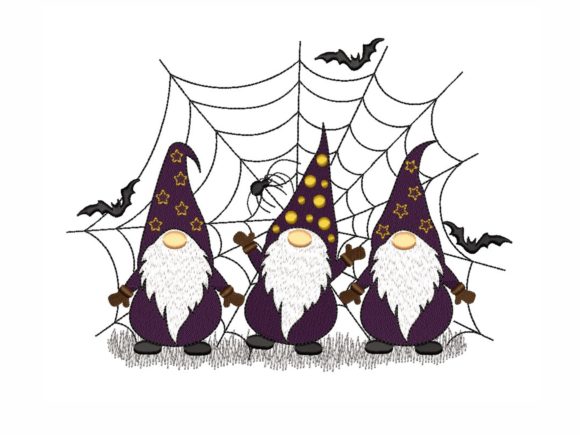
The first impression of Halloween Gnomes is one of playful, slightly whimsical spookiness. It’s not scary; it’s cute. That’s a crucial distinction for holiday embroidery. The shapes are soft, the theme is lighthearted, and the overall layout feels balanced for a decorative accent. This isn’t a sprawling, dense scene—it’s a focused character design. That visual personality tells me it belongs on items where the embroidery is a focal point, not background filler. Think of a custom embroidered tote bag for a friend, a cozy pillow cover for a Halloween-themed living room, or a special baby blanket for a little one’s first October. It creates a friendly holiday vibe, perfect for giftable items and seasonal small shop merchandise.
Visual Appeal That Translates to Customer Trust
When a customer sees a handmade product, the clarity of the embroidery directly affects their perception of its value. A clean, well-defined design like Halloween Gnomes, with clear shapes and intentional details, stitches out with a professionalism that builds trust. Whether you’re an Etsy seller creating a line of Halloween aprons or an apparel decorator adding a custom patch to a cap, this design’s personality is consistent. It feels crafted, not generic. That consistency is key for brand identity if you’re using it across a product line, say on tea towels, tote bags, and pillow sets for a craft fair. The giftability skyrockets because it looks intentional and well-made.
Performance in Real Embroidery Situations
My mental test for any design involves picturing it on different surfaces. For Halloween Gnomes, let’s consider a specific scenario: you’re preparing a batch of embroidered sweatshirts for your small shop. The design’s likely use of satin stitches for bold outlines and fill stitches for areas like the gnome hats means it will have good visual pop on a fleece backdrop. On a tote bag’s cotton canvas, it will feel sturdy and decorative. For a more delicate application, like on a baby’s romper, you’d need to be mindful of the overall stitch density on that thinner fabric, but the cute theme is a perfect match.
However, this is where practical observation kicks in. Designs with character details—think tiny facial features or small decorative elements on the hats—require careful execution. On a curved surface like a cap, those small details need proper stabilizer and hoop technique to maintain clarity. On dark fabric, thread color contrast is paramount; you’d want to test a stitch-out on scrap fabric first to ensure the chosen colors, especially for any lighter shades, stand out boldly against a black or navy background.
Spots for Careful Application
While Halloween Gnomes feels versatile, a designer knows where to proceed with caution. If the design is intended for very small hoop sizes, the density of stitches in any filled areas could become too compact, potentially affecting the fabric’s hand feel, especially on lightweight or stretchy materials like t-shirts. Layered garments with seams or textured fabrics like towels might require additional stabilization to keep the details crisp. And for products destined for frequent washing—like kitchen towels or aprons—a robust stitch construction is vital. Without knowing the exact stitch count from the file, I always advise testing on a comparable scrap fabric first to see how it withstands a simulated wash cycle. This step is non-negotiable for commercial embroidery projects you plan to sell.
Practical Designer Notes Before You Hoop
Before committing Halloween Gnomes to a final product, here’s my checklist. First, always run a test stitch. This reveals everything: how the thread colors interact, whether any small detail areas like pointed hat tips or tiny smiles stitch cleanly, and the overall registration. Second, consider it in both light and dark fabric mockups. Even a simple black and white digital preview can help you visualize contrast. Third, confirm the practical specs you need: the appropriate hoop size for your project and the machine embroidery file formats you require. The product description suggests a wide range of uses, but your specific machine and project parameters will dictate the best fit.
Finally, and this is critical for craft businesses and digital product sellers: confirm the licensing terms. Before selling any finished items or using the design in commercial embroidery for client work, you must understand the permissions. Does the license allow for finished product sales? Is there a limit? This protects your business and respects the digitizer’s work.
From Digital File to Finished Product
The journey from downloading this digital embroidery file to holding a finished, embroidered pillow cover is where the design truly proves itself. Halloween Gnomes, with its lovely and cute accent nature, seems engineered for that transition. It’s not overly complex, which suggests it will stitch reliably, saving time and materials—a key concern for creative entrepreneurs. When I imagine it stitched on a holiday gift, like a personalized blanket, or as part of a boutique’s Halloween product lineup, the potential for positive customer engagement is high. It’s recognizable as a festive gnome, yet unique enough to feel special.
In the end, my review as a designer using assets for real projects comes down to reliability and charm. Halloween Gnomes appears to offer both. Its aesthetic fits the holiday without being intimidating, and its construction seems geared towards clean output. By taking those practical steps—testing, checking contrast, verifying licensing—you can confidently turn this design into a range of successful handmade products, from custom apparel to home decor, that your customers will genuinely love.