Leopard Zentangle Mandala: A Bold Embroidery Review
From the perspective of someone who designs and sells embroidered products week after week, a new design file is more than just a pattern—it’s a potential product line, a booth highlight, and a conversation starter with customers. Today, I’m reviewing the Leopard Zentangle Mandala, a design described as beautiful, intricate, and bold. My evaluation is grounded in the practical reality of preparing for a weekend craft fair: what sells, what looks good in person, and what is actually practical to produce in batches.
The First Impression: Bold and Decorative
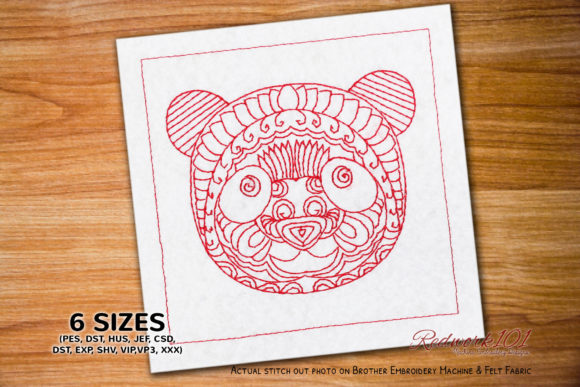
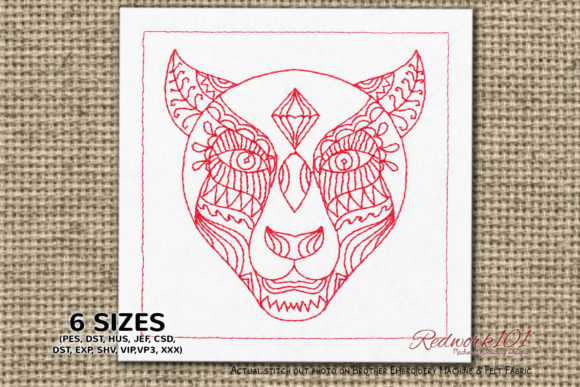
The immediate vibe of the Leopard Zentangle Mandala is bold, intricate, and decorative. The combination of "leopard" and "zentangle" suggests a fusion of organic, animal-inspired patterns with structured, meditative line art. This isn’t a cute, farmhouse, or minimal design. It feels modern, premium, and artistic. That first impression is crucial at a fair; a customer glancing at a crowded table from ten feet away needs to be drawn in. This design’s complexity and contrast promise to do just that.
Product Potential: Where This Design Will Shine
Imagine my display table: tote bags, aprons, tea towels, patches, caps, small pouches, pillow covers, and framed pieces. Not every design works on every product. The Leopard Zentangle Mandala, however, has specific strengths.
Strong Candidates for High Impact
- Tote Bags & Market Bags: This is a top contender. The design’s bold, intricate nature makes it a fantastic focal point on a large, flat surface like a bag panel. It elevates a simple bag into a statement accessory.
- Pillow Covers: As the description suggests, decorative pillows are a perfect fit. The mandala format naturally centers itself, creating a premium home decor item that feels handmade yet sophisticated.
- Framed Hoop Art: For a higher-price-point gift item, framing this "zenbroidery" as finished art could be very successful. It caters to buyers looking for unique wall decor.
- Aprons: Placed centrally on the bib of an apron, it transforms a functional item into a fashionable one. It’s a conversation piece in a kitchen.
Considerations for Smaller Applications
- Patches & Caps: Here, caution is needed. The intricate detail and potential dense stitch areas may lose clarity when scaled down for a patch or sewn on a curved cap surface. A test on scrap fabric is essential.
- Tea Towels & Kitchen Towels: It can work beautifully, but the fabric texture matters. On a textured towel, fine lines might get lost. Opt for smoother linen or cotton for best results.
- Small Pouches & Pouches: As an accent on a smaller pouch, it could be stunning, but it must be sized appropriately—too large will overwhelm, too small will muddy the detail.
Practical Production & Selling Points
Turning a digital embroidery file into a profitable craft fair product involves more than just hitting "start."
Understanding at a Glance
This design is not minimalist; it’s complex. That’s its selling point. Customers will understand it as an artistic, detailed piece immediately. This complexity, however, means it works best as a large focal design rather than a tiny accent. It commands attention.
The Photograph Factor
For Etsy sellers and anyone using printable mockups in listings, this design should photograph well. The contrast and intricate patterns will look detailed and premium online, which is vital for digital sales. Ensure you photograph it on a neutral background to let the design pop.
Batch Production Feasibility
The question of repeatability is key. Is this a design I can stitch ten times in a row for batch production? The intricacy suggests it may have higher stitch counts and potentially longer run times. This affects pricing and planning. For a craft fair product, I’d likely focus it on a few premium items (like totes and pillows) rather than offering it on every product type.
Careful-Use Notes for the Embroidery Designer
Before committing to a production run, a professional checklist is non-negotiable.
- Test on Scrap Fabric First: Always. Use the fabric you intend to sell (canvas for bags, linen for pillows). Check for puckering or distortion in dense areas.
- Thread Contrast & Dark Fabrics: The intricate lines need excellent contrast. On dark fabrics, you might need to switch to a lighter thread palette or ensure the design has enough open space to prevent a muddy look.
- Stitch Density & Stabilizer: "Intricate" often means denser stitch areas. Use the correct stabilizer for your fabric weight to maintain clean lines and prevent fabric pull.
- Hoop Size & Design Scale: The description doesn’t specify a hoop size, so you must check the file details. Ensure the design fits comfortably within the hoop sizes you own and can be scaled appropriately for your chosen products without losing integrity.
- Create a Real Mockup: Before the fair, stitch at least one finished product, like a pillow cover or tote. This serves as both a quality check and a stunning booth sample.
- Commercial Licensing: Confirm the embroidery file license permits commercial use of the finished products before selling anything. This is a fundamental step for any small shop product.
Why This Design Adds Value to Your Booth
The Leopard Zentangle Mandala isn’t just another file; it’s a strategic booth asset.
- Customer Attention: Its bold and intricate nature will naturally draw eyes. It breaks the visual monotony of simpler designs.
- Product Value Perception: On a well-made pillow or tote, it feels premium, justifying a higher price point and enhancing perceived handmade quality.
- Brand Consistency: If your brand leans toward artistic, modern, or bold styles, this design reinforces that identity.
- Buyer Engagement: It’s a design people will comment on. "How long did that take?" or "Is that a leopard pattern?" are great openings for sales conversations.
Final Designer's Advice
In the world of machine embroidery design for craft fairs and handmade markets, a design’s success is measured in smiles, questions, and sales. The Leopard Zentangle Mandala has the visual strength to achieve that. Focus it on products where its scale and detail can be appreciated fully—think statement tote bags and elegant pillow covers. Always do your due diligence: test, check thread colors, review spacing, and confirm licensing. With that preparation, this stunning zenbroidery can become a unique, bold accent that not only decorates fabric but also enhances your entire product lineup and booth display.