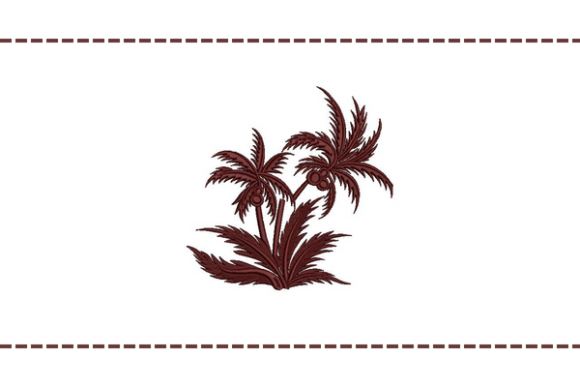
Reviewing the Coconut Tree Embroidery Design for Boutique Apparel
As someone who designs embroidered apparel for a small boutique brand, I’m always browsing for designs that can translate into cohesive collections. When I saw the Coconut Tree embroidery listed under Forest Trees on Creative Fabrica, I stopped to consider its potential for a sweatshirt and hoodie line. This review is my design judgment on how this file might perform in real-world apparel projects.
First Impressions: Visual Mood and Application Strength
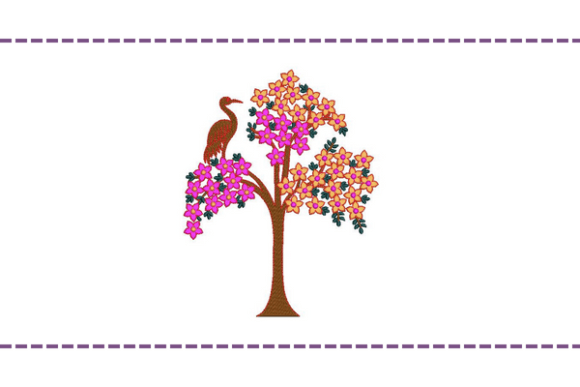
The Coconut Tree design immediately presents a cozy and artistic feel, as described. It strikes a balance between being decorative and slightly rustic, with a playful yet classic silhouette. The detail level appears thoughtful—not overly dense, which is good for fabric movement, but with enough character to stand out. For boutique merchandise, this visual personality leans towards casual, trendy, and universally appealing, which is a solid starting point for a collection aimed at a broad audience.
My first thought was how it would look on a neutral, heavyweight sweatshirt. A design like this can act as a focal point without being too bold or feminine, making it suitable for unisex apparel. On pastel hoodies, it would likely offer a gentle, artistic accent. For dark garments like black or navy sweatshirts, the contrast would need careful thread color planning, but the design’s form could pop beautifully.
Planning a Collection: Placement and Product Ideas
Embarking on a small sweatshirt collection means considering multiple placements. The Coconut Tree embroidery design feels versatile enough for several key applications.
Sweatshirt and Hoodie Chest Placement
For standard left-chest embroidery on sweatshirts and hoodies, the size and proportion of this Coconut Tree seem promising. It should fit comfortably within common hoop sizes for that area, creating a recognizable brand logo or motif for a small shop product. This placement is classic for custom apparel and works well for lifestyle product photos and Etsy listings.
Back Designs and Sleeve Accents
On oversized garments or as a larger back design, this embroidery could become a statement piece. The artistic feel would scale up nicely for a more decorative sweatshirt embroidery. A smaller version on a sleeve cuff or shoulder could also be a subtle, charming detail, adding visual consistency across a product line.
Beyond Sweatshirts: Totes, Tees, and Denim
The description suggests trying it on clothes or home decor, which opens other avenues. For a boutique, applying it to tote bags would be straightforward and effective. On t-shirts, the stitch density needs to be appropriate for lighter fabric. On a denim jacket patch, it could lend a rustic, handmade product vibe. These applications help build a cohesive brand identity across different products.
Practical Considerations for Commercial Embroidery
Before running any machine embroidery design on final garments, there are always practical checks. These are my notes for using the Coconut Tree embroidery file professionally.
Testing and Setup for Quality Results
I always advise testing on scrap fabric identical to the final garment. For sweatshirt embroidery, testing on a piece of fleece or similar knit is essential to see how the design behaves on a stretchy, textured surface. Checking stabilizer choice is critical here—a good cutaway or knit stabilizer will prevent puckering on fleece or ribbed fabrics.
Reviewing thread color contrast for the intended garment color is a simple but vital step. A light thread on a dark sweatshirt, or vice versa, will define the design's impact. One must also confirm the hoop size required by checking the Creative Fabrica product details before purchase, as this affects which garments you can embroider efficiently.
Inspecting Stitch Density and Fabric Impact
For dense stitch areas, if any, on curved surfaces like a sweatshirt chest, there’s a risk of distortion or fabric stiffness. The description doesn’t specify stitch count, so I would inspect the design in my software and possibly test a section to gauge density. High density on stretchy fabric can lead to wrinkles or reduced comfort, so this is a key area for careful use.
Areas that may stretch, like the sides of a hoodie or the body of a t-shirt, require designs with appropriate underlay and stitch structure. Without knowing the file’s internal construction, a test run on similar fabric is the only way to be sure.
The Importance of Licensing and Product Details
For any commercial embroidery project, it’s fundamental to review the licensing terms included with the digital embroidery file from Creative Fabrica before selling finished apparel. This ensures your small business operates correctly. Also, confirming the included file formats and machine compatibility from the product page is a necessary step to avoid production delays.
How This Design Affects Brand Value and Presentation
Using a well-executed design like the Coconut Tree can significantly affect a boutique brand’s perceived value. A clean, artistic embroidery adds a premium touch to otherwise casual items like sweatshirts, boosting buyer trust and professional presentation.
When customers see consistent, high-quality embroidery across your product line—from hoodies to tote bags—it builds product recognition and visual consistency. This engages customers visually and can lead to stronger social media graphics and more attractive printable mockups for your online shop.
For Etsy sellers and handmade business owners, the cozy and artistic feel of this design aligns with the aesthetic many shoppers seek. It can help tell a story in your listing photos, suggesting a lifestyle of relaxed, creative comfort, which is highly marketable.
Final Design Judgment and Recommendation
The Coconut Tree embroidery design from the Forest Trees category appears to be a versatile, stylistically sound choice for boutique apparel projects, particularly sweatshirts and hoodies. Its decorative strength and mood make it suitable for creating a focused collection with a recognizable theme.
My recommendation for fellow apparel decorators and creative entrepreneurs is to consider it as a central motif for a seasonal cozy outfit collection. However, the practical embroidery designer notes are crucial: test on scrap fabric, check stabilizer choice, review thread contrast, confirm hoop size, and inspect stitch density through a sample. Always verify the specific product details and licensing on Creative Fabrica before moving to full production.
By integrating these checks into your workflow, this Creative Fabrica embroidery file can become a reliable part of your offering, enhancing your custom apparel with an artistic, trendy touch that feels both handmade and professionally crafted.