Simple Creative Motif: An Embroidery Designer's Market Review
As an embroidery designer preparing for a weekend craft fair, every design in my library gets a critical evaluation. The goal is simple: which files will translate into products that attract customers, sell quickly, and can be produced reliably at my booth? Today, I'm reviewing the Simple Creative Motif embroidery design. The description calls it fancy and stylish, perfect for cushions, shirts, and decoration. Let's unpack that from a practical, sales-driven perspective.
First Impression & Market Style
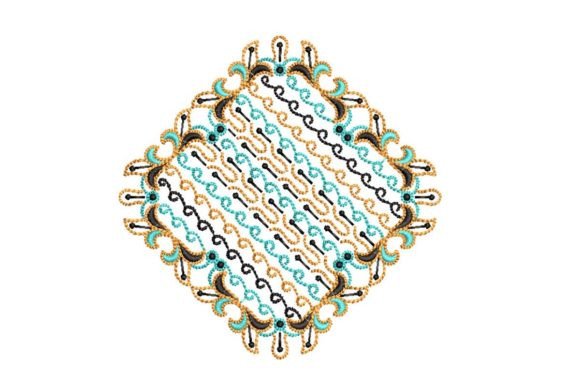
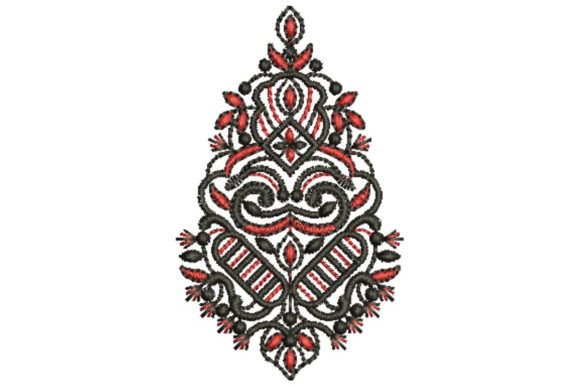
The name Simple Creative Motif suggests a balance. It's not overly complex, but it carries a creative, decorative element. Combined with the "very fancy and stylish" description, this design leans toward an elegant, decorative, and premium aesthetic. It's not rustic or farmhouse; it feels more modern and intentional. For a craft fair audience, this signals a product with a higher perceived value. It's not a quick joke or a simple icon; it's a piece of art meant to elevate everyday items.
This style is a powerful tool. In a booth crowded with cute animals and generic quotes, an elegant, stylish motif can stand out by appealing to customers looking for something unique and sophisticated for their home or wardrobe. It fits into categories like Intricate Cuts and Embroidery beautifully, as the decorative stitches will be the focal point.
Product Performance: Where This Motif Shines
The real test is applying the design to actual craft fair products. Based on its described style, here’s where I see Simple Creative Motif performing best.
- Tote Bags & Market Bags: A larger, stylish motif placed centrally on a high-quality canvas tote creates a premium handmade product. It moves from a simple bag to a statement accessory.
- Pillow Covers & Cushions: As mentioned in the description, this is a natural fit. An elegantly embroidered pillow cover has immediate home decor appeal and often commands a higher price point.
- Aprons & Tea Towels: For kitchen items, this design adds a touch of luxury. On a linen apron or a high-quality tea towel, it feels less utilitarian and more like a giftable handmade item.
- Fabric Pouches & Small Gift Items: A smaller version of the motif on a zip pouch or a handkerchief makes for an excellent boutique-style product with strong visual appeal.
- Caps: This depends on the motif's adaptability. If it can be condensed without losing clarity, a stylish embroidery design on a cap could attract a different customer segment.
- Embroidered Patches: If the design is dense and detailed, turning it into a standalone patch allows for versatility. Customers love patches for customizing their own items.
Items like basic shirts might work, but the "fancy and stylish" description makes me think it's better suited for decorative home goods and accessories rather than everyday casual wear.
Practical Selling & Production Considerations
Turning a digital embroidery file into a sellable product requires a hard look at the production process.
Understanding & Photography
Simple Creative Motif needs to be understood at a glance by a customer walking past my booth. A "stylish" motif should have clear, pleasing composition. This is crucial for both in-person sales and for Etsy seller photographs. The design must photograph well, showing the texture and detail of the decorative stitches against the fabric. Good contrast is key.
Scale & Repeatability
Can this motif work as a small accent on a pouch, and also as a large focal point on a pillow? I'd need to test that. For batch production at a fair, consistency is everything. If the design has extremely dense stitch areas or tiny details, it will slow down production and might not look clean on textured fabrics like tea towels or on curved surfaces like caps. I must advise: always test on scrap fabric first, especially the actual fabrics you plan to sell.
Critical Technical Checks
Before committing to commercial embroidery of this design for my small shop products, I run through a mandatory checklist:
- Thread Contrast: Test on both light and dark fabric. Does it pop? Does it lose detail?
- Stitch Density & Hoop Size: Review the file for overly dense areas that might pucker fabric or require specific hoop sizes. The product description doesn't specify this, so I must check the file details.
- Stabilizer & Fabric Texture: The right stabilizer is non-negotiable for a clean finish on different materials like canvas for totes or linen for towels.
- Create a Real Mockup: Never rely solely on a printable mockup. Make at least one finished product. This reveals issues with fabric texture and real-world visual appeal.
- Commercial Licensing: The description doesn't mention licensing. I must confirm I have the right to use this machine embroidery design for selling finished products at a craft fair or online.
Booth Impact & Customer Engagement
At the fair, Simple Creative Motif contributes to my booth's overall story. A collection of elegant, coordinated products (totes, pillows, aprons) featuring this design creates brand consistency and display strength. It tells customers I specialize in quality, decorative embroidery.
This design affects customer attention and buyer engagement. A well-executed, stylish motif invites touch—people want to feel the embroidery. It sparks conversations about the craft, which increases the perceived handmade quality and value. It's not just a product; it's a demonstration of skill.
Careful-Use Notes for Success
To ensure this motif sells, I must be cautious about its application. Based on its "fancy" and likely intricate nature:
- Avoid scaling it too small for applications like caps or pouch accents if it contains small lettering or minute details that will vanish.
- Be mindful of thick fabric like heavy canvas; it may require adjusted stitch settings.
- On textured towels, the design might lose some crispness, so a simpler section of the motif might be better.
- For batch production, ensure the design is reliably repeatable without constant thread breaks or re-hooping delays.
Final Designer's Verdict
Simple Creative Motif has strong potential for the craft fair and handmade market. Its elegant, decorative style positions it as a premium product that can elevate standard items like totes and pillow covers into standout pieces. Its success hinges entirely on practical execution.
My action plan is to immediately test the embroidery file on my key target fabrics—canvas, linen, and cotton—using appropriate stabilizers and hoop sizes. I will compare thread colors for maximum contrast. I'll produce one impeccable tote bag and one pillow cover as my flagship booth samples. If the design proves production-friendly and visually stunning in person, it will become a core part of my weekend offering, attracting customers who appreciate stylish, handmade detail and boosting the overall product value of my work.
Remember, a great digital design is only the beginning. Its real worth is measured by the products it creates and the customers it delights at your booth.