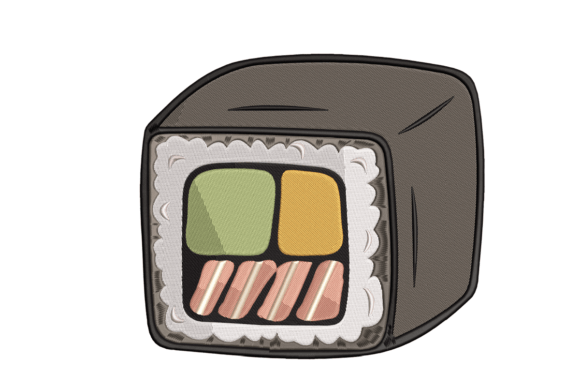
Sushi Embroidery Design: A Professional Review for Business Use
As an embroidery designer reviewing digital files for commercial projects, my focus is always on how a design translates into branded merchandise. Today, I’m looking at a design titled Sushi. From its description, it’s positioned as a cute, fun design for home decor and clothes, but its potential for small business merchandise is significant. Let’s evaluate Sushi from the perspective of a café owner, boutique, or creative brand looking to create embroidered patches, uniforms, or product accents.
First Impression: Visual Personality for Brand Identity
The immediate impression of Sushi is playful and friendly. The word “cute” in the description suggests a design that leans toward a handmade, approachable aesthetic. For a business in the Food Dining category—like a sushi restaurant, a casual café, or a food-themed gift shop—this visual personality can be a powerful asset. It communicates warmth and authenticity, which builds customer trust and engagement. For a pet brand or a bakery using food motifs, it could add a whimsical touch. However, the key question is: does it also feel professional enough for staff uniforms or product packaging? The answer depends on execution. A well-stitched version on a crisp apron or a clean tote bag can balance playful with premium, elevating a handmade product’s perceived value.
Performance in Real Business Scenarios
This machine embroidery design holds promise across several core business applications.
Embroidered Patches for Merchandise and Branding
Sushi could be excellent as a standalone embroidered patch. Patches are versatile: they can be sold as pins, applied to tote bags as a mark, or used as an accent on product labels for a boutique. For an Etsy seller specializing in foodie merch, a Sushi patch adds a branded, tactile element to items like decorative pillows or kitchen towels, directly aligning with the design’s described use. The “fun and easy to stitch” note suggests a manageable stitch density, which is good for patch durability and cost-effective production.
Uniforms and Apparel for Staff and Promotions
Consider this design for custom apparel. As a chest logo accent on staff polo shirts for a sushi bar, or a sleeve detail for a catering company, Sushi offers visual consistency. Apron embroidery is a natural fit, instantly branding a kitchen or café team. For cap embroidery, the design needs careful evaluation for size, but it could create a recognizable piece of event merch or customer gift. Embroidered on work shirts or tote bags for a small business, it turns everyday items into branded assets.
Product Accents and Handmade Presentation
Beyond apparel, think of Sushi as a design asset for the finished product. For a handmade shop selling linens or baby clothes, embroidering this onto bedsheets or a child’s t-shirt adds a unique, decorative value that buyers love. For a florist or creative studio with a food-themed product line, it can serve as a charming detail on packaging or a gift item. This application leverages the “cute” factor directly to enhance buyer engagement and the handmade product presentation.
Where to Use This Design Carefully
While versatile, any embroidery file requires strategic application for professional results. Here are key considerations for using Sushi in commercial embroidery projects.
- Small Patch Sizes and Cap Fronts: If you plan to stitch a very small patch or use it on a cap front, you must check how the design condenses. Tiny lettering or intricate details might lose definition. Always test the file at your intended production size first.
- Curved Surfaces and Textured Fabric: Embroidering on curved surfaces like caps, or on textured fabrics like some tote bags, demands proper stabilizer and hooping technique. The design’s “easy to stitch” nature should help, but a test on the actual material is non-negotiable.
- Dark Uniforms and Thread Contrast: If your business uses dark uniforms—black aprons or navy shirts—review the suggested thread colors. You may need to adjust color choices for maximum contrast and visibility to maintain professionalism.
- Items for Frequent Washing: Merchandise like work shirts or aprons undergoes heavy wear. Ensure the stitch density and underlay are robust enough to withstand frequent washing without fraying, preserving your brand’s image.
Impact on Brand Identity and Professionalism
Choosing the right embroidery for your business is a branding decision. Sushi, when applied thoughtfully, can strengthen brand identity. It creates recognition—a customer seeing the same design on a staff apron, a store tote, and a product pillow feels a cohesive brand experience. This visual consistency signals attention to detail, which boosts perceived professionalism. For a small business, this embroidery can transform generic items into custom, valued assets, making your small business merch stand out in a crowded market. It tells a story of care and specificity, which is especially powerful for Etsy branding or a craft business.
Practical Designer Notes Before Production
Before running this digital embroidery file for any business project, follow these practical steps as a professional.
- Test in Black and White: Stitch a sample using only black thread on white fabric and white on black. This reveals the design’s core structure without color distractions, helping you assess clarity for small sizes.
- Create a Printable Mockup: Before client approval, generate a mockup showing Sushi on the intended item—a cap, apron, or tote bag. This visualizes the final product and avoids misunderstandings.
- Compare Beside Other Assets: If Sushi is part of a larger brand suite, stitch it alongside your other logo elements. Ensure it complements them in scale and style for a unified look.
- Check Commercial Licensing: The description notes it comes with multiple file types, but always confirm the license terms explicitly allow for commercial embroidery and business use before proceeding.
- Confirm Technical Specifications: While the description mentions it’s a machine embroidery design, you must verify the specific hoop size requirements, stitch count, and file formats with the designer or distributor to ensure compatibility with your equipment and project scope.
Final Thoughts on Sushi as a Business Asset
The Sushi embroidery design, from its described character, is more than a decorative element. It’s a potential brand identity tool for food-related and lifestyle businesses. Its playful nature can make branded merchandise feel engaging and handmade, while proper application on uniforms and products can instill a sense of quality and consistency. By rigorously testing its performance on real fabrics and in real-world contexts like patches and caps, a small business owner or apparel decorator can confidently turn this cute Food Dining motif into a professional, profit-driving part of their visual identity.