Vector Cross Stitch Decorative Geometry: A Designer's Craft Fair Review
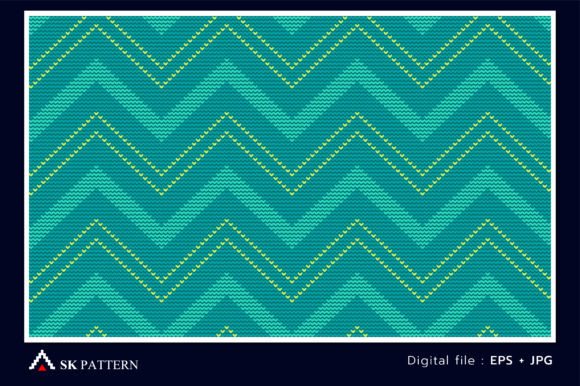
As an embroidery designer preparing for a weekend craft fair, my first task is to evaluate new designs. I look for patterns that will translate beautifully into physical products, attract customer attention on a crowded table, and are practical to produce in batches. Today, I’m reviewing Vector Cross Stitch Decorative Geometry from that exact perspective. Based purely on the title and description, this pattern set promises geometric motifs ideal for a wide range of projects. The immediate impression is modern, decorative, and versatile. It feels neither overly rustic nor overly cute, occupying a clean, graphic space that could appeal to a broad audience.
First Impressions and Product Potential
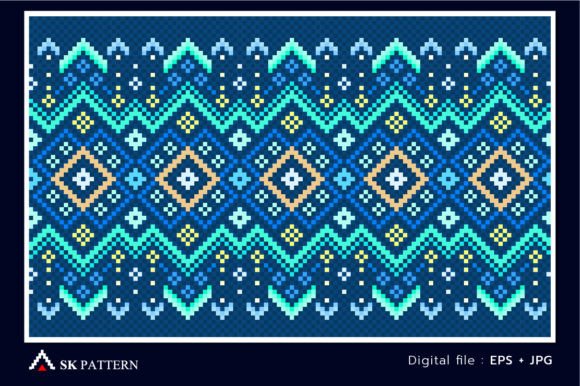
The name Vector Cross Stitch Decorative Geometry suggests a design built from clean lines and structured shapes, mimicking a cross-stitch aesthetic in a vector format. This is promising. Geometric patterns are perennial sellers because they feel contemporary yet timeless. For my booth display—filled with tote bags, aprons, tea towels, caps, and pillow covers—this design could serve as a strong focal point or a subtle accent, depending on how it’s scaled.
My initial thought is to test it on products where geometry shines: pillow covers and tote bags. A crisp geometric pattern on a linen pillow cover instantly elevates it from a simple handmade item to a premium home decor piece. On a canvas tote, it conveys a sense of modern, intentional design that customers looking for a unique market bag often seek. The description also mentions scarves, dresses, and skirts, hinting at a design that could scale well for larger apparel items, which is a valuable note for boutique makers.
Where This Design Will Stand Out at the Fair
At a craft fair, visual clarity from a distance is key. A customer scanning a table should be able to grasp the appeal of a product quickly. Vector Cross Stitch Decorative Geometry, if executed with good contrast, has the potential to catch the eye. Imagine a series of embroidered tea towels hanging on a display rack; a geometric pattern stands out against the simpler, often floral or text-based designs common in that category. It creates a visual break that can draw people in.
For embroidered patches, which are popular and giftable, geometric designs often sell well because they are emblematic and can represent hobbies, affiliations, or simply a love of clean design. This pattern could be excellent for a small, dense patch on a cap or a fabric pouch. On an apron, a geometric motif near the pocket or along the hem looks professional and stylish, appealing to the modern home cook. The "decorative" aspect of the title suggests it's meant to be ornamental, which is perfect for items like cushion covers or wall art where the design is the primary feature.
Practical Production Notes for the Busy Maker
Turning a digital embroidery file into a sellable craft fair product requires practical testing. Here’s my real-world checklist for applying Vector Cross Stitch Decorative Geometry.
Testing the Embroidery File
The product description states it includes "1 eps file - 1 jp". As a professional, I interpret this as one EPS vector file and one JPEG image. The EPS file is crucial for scalable graphics and potentially for converting to a machine embroidery design file format. However, a critical note: the description does not specify exact stitch counts, hoop sizes, or included embroidery file formats like DST or PES. Before any production, I must confirm these details. I would advise every Etsy seller and digital seller to check if the files are ready for commercial embroidery machines or if they are solely pattern graphics requiring digitization.
My first step is always to test the design on scrap fabric. For a geometric pattern, I want to see how crisp the lines stitch out. I’ll check for stitch density in filled areas; overly dense areas on thin fabrics like tea towels can cause puckering. I’ll also test it at both small sizes (for a patch or cap) and large sizes (for a pillow). Tiny details in geometric designs can sometimes lose clarity when miniaturized, so this test is vital.
Fabric and Display Considerations
Fabric choice and thread contrast are everything. This design likely needs a solid, contrasting thread color on a neutral or solid fabric to pop. On a textured towel or a thick fabric like a canvas tote, the design must be robust enough to remain clear. For curved surfaces like caps, the geometry might need slight adjustment to avoid distortion, so a test run is non-negotiable.
Photography for online listings and booth mockups is another key point. Geometric designs photograph very well; they look sharp and intentional, which can increase perceived product value in Etsy listings. Creating at least one real, high-quality physical mockup is essential not only for testing but also as a stunning sample in your booth to engage buyers.
Selling Power and Booth Strategy
How does Vector Cross Stitch Decorative Geometry affect my selling strategy? Its versatility is its greatest strength. I can create a cohesive brand display by using the same pattern across different products—a tote bag, a matching pouch, and a tea towel—showing customers its adaptability. This creates a sense of brand consistency and gives buyers options, increasing the chance of multiple sales.
For batch production, a repeatable, clean design is efficient. If the embroidery file is well-digitized with consistent stitch areas, producing a batch of geometric pillow covers or aprons becomes streamlined. However, I must be mindful of thread colors. A design with many color changes can slow down production, so I’ll analyze the pattern for color complexity.
The "decorative" nature means it’s primarily for aesthetic appeal, not sentimentality. This attracts customers looking for design-forward, handmade quality rather than a personalized gift. In a booth, placing these items alongside more whimsical or text-based products creates a balanced inventory that caters to different tastes.
Critical Advice Before You Stitch
Finally, my essential notes for any craft fair seller or embroidery business owner considering this pattern for handmade products:
- Always confirm commercial licensing. The description doesn’t mention license terms. Ensure you have the right to sell finished products made from this design.
- Use the right stabilizer for your fabric. Geometric designs with straight lines need good stabilization to prevent warping.
- Compare fabric colors. Test the design on the actual fabric colors you plan to sell (cream linen, black canvas, etc.) to ensure thread contrast is optimal.
- Consider the product’s end-use. A geometric pattern on a floor pillow or throw blanket (as mentioned in the description) needs to be durable and sized appropriately.
- For online sellers, create printable mockups using the JPEG to showcase the pattern on products in listings, but always pair them with photos of real embroidered items to prove handmade quality.
In conclusion, Vector Cross Stitch Decorative Geometry presents a compelling opportunity for craft fair sellers. Its modern, decorative mood fits current trends, and its implied versatility across products like tote bags, pillow covers, and apparel makes it a valuable digital embroidery file asset. With diligent testing on scrap fabric, attention to stitch clarity on different surfaces, and a confirmed commercial license, this pattern could become a standout, repeatable star in your handmade market product line, attracting eyes at the fair and adding value to your small shop product offerings.