Why the African Woman Embroidery Design is a Craft Fair Standout
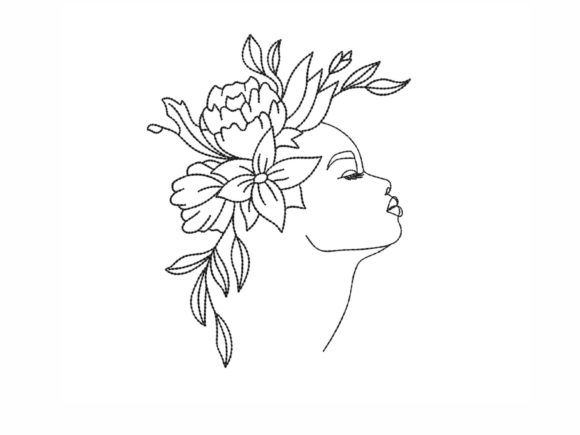
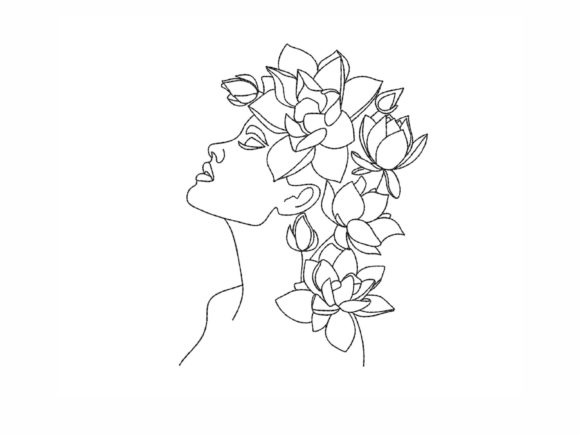
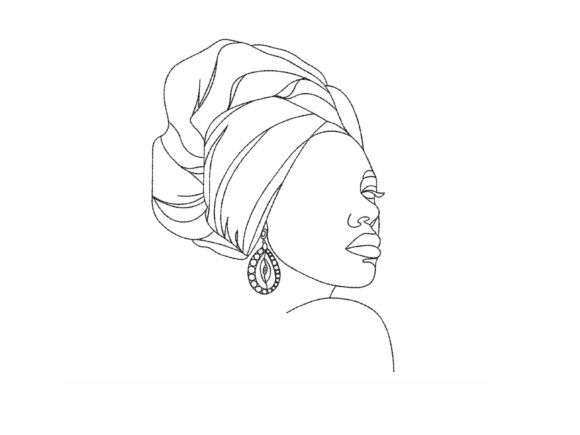
Walking into your booth, a customer’s eye needs to catch something special immediately. As an embroidery designer prepping for a weekend market, my first task is to review each design not just for aesthetics, but for its real-world selling power on physical products. Today, I’m looking at African Woman. The description tells me it’s a beautiful embroidery of an African American woman meant to add lovely character to apparel, home decor, pillows, and gifts. My immediate impression? This design feels bold, elegant, and decorative. It carries a sense of premium quality and artistic expression that can elevate a simple item into a meaningful gift.
First Impression and Product Mood
Before I even load the machine embroidery design file, I think about the mood it sets. African Woman isn’t cute or funny; it’s dignified and artistic. This is a key strength for the Beauty category. In a booth filled with rustic or farmhouse themes, this piece would stand out as a more personal, portrait-driven option. It feels modern in its subject matter and decorative in its application. For customers looking for something with soul and identity—something beyond a generic floral or slogan—this design has immediate appeal.
Where African Woman Shines on Craft Fair Products
Now, let’s get practical. I envision my display table: tote bags, aprons, tea towels, caps, patches, pouches, and pillow covers. Where does African Woman perform best?
- Tote Bags and Market Bags: As a large focal design on the front panel of a canvas tote, this would be stunning. The portrait becomes a statement. It transforms a utilitarian bag into a piece of art people carry.
- Decorative Pillow Covers: This is a perfect match. The description specifically mentions decorative pillows. On a premium linen or cotton pillow, the design feels intentional and home-focused, adding that “lovely character” directly.
- Embroidered Patches: This is a versatile option. A well-made patch allows customers to apply the design themselves. It’s a lower-cost entry point and appeals to a younger, DIY-minded buyer.
- Aprons and Kitchen Towels: For a tea towel embroidery or apron, this design adds a beautiful, personal touch to home kitchens. It feels more special than a generic fruit or vegetable motif.
- Caps: This is a test. The curved surface of a cap can distort designs. African Woman would need to be evaluated at a smaller size to ensure the details remain clear on the curved front.
- Fabric Pouches and Small Giftable Items: On a small pouch or makeup bag, the design becomes an accent. It’s a way to offer a lower-priced item while still showcasing the artistry.
The absolute best chance to sell, in my experience, is as a focal point on a high-visibility, usable product like a tote bag or pillow. These items are large enough to appreciate the design’s details and are commonly purchased as gifts.
Practical Selling and Production Points
As a designer selling handmade products, I must consider production ease and sales impact.
African Woman is likely a design that needs to be understood at a glance. A portrait should be clear and emotionally resonant quickly. This works well for both online listings and in-person booth sales—people don’t need to study it to grasp its value.
How it photographs for Etsy listings or printable mockups is crucial. Designs with good contrast and clean lines photograph well. I’d need to test it on various fabric colors, especially dark fabrics, to ensure the thread colors provide enough pop for a strong online image.
Is it repeatable for batch production? If I plan to make ten tote bags with this design, I need to consider stitch density and time. Dense, detailed portraits can take longer to embroider and may require more careful attention to stabilizer and hoop size to prevent puckering. This affects my pricing and production schedule for the fair.
Careful-Use Notes for the Embroidery Designer
Before committing to a batch, a professional always runs tests. Here are my specific notes for African Woman:
- Test on Scrap Fabric First: Always. Use the exact fabric type you plan to sell (canvas for totes, linen for pillows). Check for puckering due to stitch density.
- Check Thread Contrast: Embroider the design on both light and dark background scraps. Does it retain its clarity and detail on dark fabric? You may need to adjust thread color choices.
- Review Spacing and Scale: How does it look at a smaller size for a cap or pouch? Tiny details or fine lines in a portrait can lose clarity when minimized. It might only work as a larger design.
- Confirm Hoop Size Compatibility: The description doesn’t specify a hoop size. You must check the embroidery file details to know if it fits within the hoops you own for your key products (e.g., large hoop for totes, smaller hoop for caps).
- Inspect for Small Lettering: If the design includes any tiny text, it may not stitch cleanly on textured fabrics like tea towels.
- Create at Least One Real Mockup: Before the fair, make one finished product—a tote or pillow. See how it feels, looks, and holds up. This is also your best booth sample.
- Compare Fabric Colors: Which fabric colors make this design look premium? Natural linen? Black canvas? White cotton? Offer it on the most flattering options.
- Confirm Commercial Licensing: The description mentions it’s for your creations. As a small shop product seller, you must verify the digital embroidery file comes with a license for commercial embroidery use and selling finished products.
The Impact on Your Booth and Brand
Finally, let’s think about the big picture. Adding African Woman to your product line affects more than just one item.
Its visual appeal draws a specific customer—someone looking for artistry, representation, and beauty. This can increase customer attention and engagement at your table. People might ask about the story or inspiration.
It raises perceived product value. A well-executed portrait embroidery on a pillow feels more valuable than a simple geometric pattern. You can price it appropriately to reflect the handmade quality.
For brand consistency, if your brand leans toward artistic, modern, or culturally inclusive designs, this piece strengthens that message. If your brand is more generic, this design could be a standout hero product that adds depth.
Booth display strength comes from variety and standout pieces. Having a beautiful, portrait-based item among your other goods creates visual hierarchy. It gives you a conversation starter.
In summary, African Woman is a design with strong emotional and aesthetic appeal. Its best application is as a focal point on medium to large items where its details can be appreciated. Success depends on thorough pre-production testing, especially regarding scale, fabric, and contrast. For the embroidery business owner targeting craft fairs, it represents an opportunity to offer a premium, character-filled product that can attract a meaningful customer connection and elevate your entire booth presentation.