A Designer's Look: Putting the Doll Eyes Embroidery to Work
When an embroidery file lands on my desktop, my first question is never "Is it cute?" It's "Where does it belong?" A design's true value is judged by how seamlessly it integrates into a real project, elevating the final product. So, let's talk about "Eyes for Dolls Toys." This isn't just a product description review; it's a practical evaluation from the perspective of someone who needs to stitch this onto something tangible, for a client, for my shop, or for a gift.
The Immediate Personality of This Design
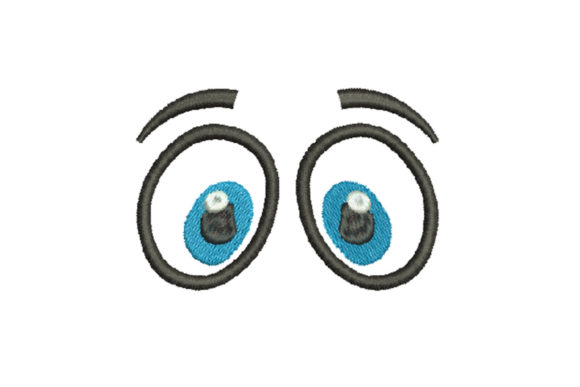
The first impression is exactly what the name promises: a set of eyes meant to bring something to life. The mood is playful, nostalgic, and undeniably charming. It doesn't scream "high-tech robot" or "fierce animal"; it whispers "classic toy," "soft plush," or "gentle decoration." The layout, being a set of eyes, offers a fantastic focal point without being an overly complex scene. The detail level appears geared toward clarity—these are features that should stitch out with recognizable character, which is crucial for customer recognition. Visually, it feels like it belongs on anything you want to imbue with a sense of warmth and gentle personality.
Where These Eyes Really Come Alive: Project Fit
Thinking through my upcoming project queue, this design jumps into several categories. I'm currently preparing a line of personalized nursery items for a boutique, and this embroidery file feels perfect for a subtle motif on a baby blanket corner or a single accent on a linen pillow cover. It’s not overwhelming; it’s a sweet signature.
For my craft business, I see immediate application on tote bags and aprons. A pair of these eyes stitched neatly near the top of a canvas tote adds that handmade, custom touch that Etsy buyers love. On a kitchen apron, it creates a fun, friendly vibe. I'd also test it on a tea towel as a gift set item—it's that kind of universal, lighthearted charm.
The product description suggests decorative pillows and children's clothes, and that's spot on. On a pillow, this could be the central feature or a repeating pattern. For baby embroidery on a romper or sweater, a single pair of eyes would be adorable. However, for children's apparel, I'd be thinking about stitch density and fabric durability—something to test thoroughly.
Another strong fit is in the embroidered patch world. This design, with its contained, likely satin stitch and fill stitch borders, could become a fantastic standalone patch to apply to backpacks or jackets. That opens doors for craft fair products and small shop merchandise.
The Practical Stitching Considerations
Now, for the real-world embroidery situations. My confidence in a design comes from anticipating how it will perform on the machine and on the fabric. With "Eyes for Dolls Toys," the key considerations revolve around application.
On custom apparel like sweatshirts or t-shirts, I'd be mindful of the fabric. A dense design on thin, stretchy jersey can be problematic. This seems to be a contained design, but I'd absolutely test it on scrap fabric first, using the appropriate stabilizer, to see how the fabric reacts. For caps or curved surfaces, the design's size and detail in the corners would need to be checked—some digitized details can get lost on challenging curves.
Dark fabric is another important test. The visual appeal of these eyes depends on thread color contrast. Stitching them on a black sweatshirt would require bright, possibly white or light blue, threads to maintain that friendly, open look. I'd run a test in both light and dark backgrounds before committing to a production run.
For products needing frequent washing, like kitchen towels or children's items, the stitch integrity is paramount. A robust fill stitch foundation and secure satin stitch outlines will ensure the eyes don't fray or loosen over time, which is critical for customer trust in a handmade product.
Where to Exercise Caution
Even a fun design has its limits. I'd use this carefully on very small hoop sizes if the design has intricate details. Tiny, delicate elements might not stitch clearly at a miniature scale. Similarly, highly textured fabrics like thick boucle or looped materials could obscure the clean lines of the eyes, reducing that stitching clarity that gives the design its value.
Also, while it's suggested for toys, stitching directly onto a plush toy's curved, often fuzzy surface requires specific techniques and stabilizers. It might be better applied as a patch first, then attached. For layered garments with pockets or seams where the embroidery might sit over a fold, the design's placement needs careful planning to avoid a distorted look.
The Impact on Your Business and Clients
From a commercial perspective, "Eyes for Dolls Toys" affects more than just the stitch. It influences product value. A well-executed embroidery of this design on a simple tote bag transforms it from generic to a personalized gift. That enhances giftability and buyer engagement in your Etsy listings or boutique branding.
Its clear, friendly personality aids in brand consistency if your shop specializes in whimsical, nostalgic, or child-friendly items. For digital product sellers, this file, when stitched out well, creates excellent, authentic printable mockups for your listings, showing customers exactly what they can achieve.
The professionalism comes from your application. Using proper techniques and testing ensures the final product looks crisp, which builds customer trust and makes your handmade presentation shine.
Essential Designer Notes Before You Hoop
- Always, always test the design on scrap fabric first. Use fabric similar to your final project.
- Check the thread color palette. Think about contrast against your final background color. Consider stitching a sample in both light and dark fabric.
- Review the stitch density in your machine software if possible. Is it appropriate for your chosen fabric (e.g., lightweight vs. heavyweight)?
- Confirm the required hoop size for clean execution. Don't try to squash a design into a smaller hoop than intended.
- Inspect the small details in the preview. Are there any tiny corners or lines that might need adjustment for your specific machine or fabric?
- Use the correct stabilizer for your fabric type. This is non-negotiable for quality.
- For commercial embroidery and selling finished items, confirm the licensing terms of the digital embroidery file. The product description doesn't specify license details, so it is your responsibility to verify this before selling physical products or using it in client work.
- Consider how the design works for both personal and commercial projects. Does its scale and style fit your intended market?
Ultimately, "Eyes for Dolls Toys" is a design with clear purpose and charm. Its success hinges on your thoughtful application. By pairing it with the right project, fabric, and technique, you can create finished products that truly do, as the description says, make things "come alive." That’s the magic of a good embroidery design—it’s a tool, and your skill and judgment turn it into a product that speaks to people.