A First Look at Easter Egg and Bunny Lineart for Embroidery
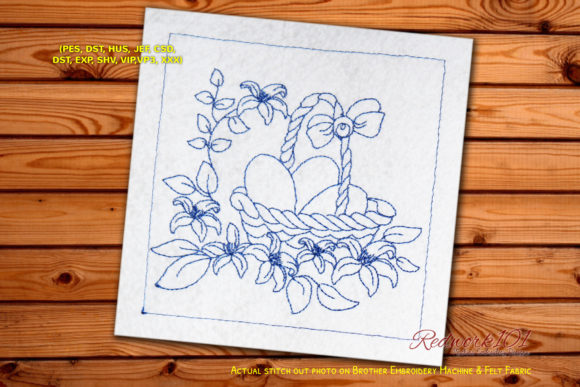
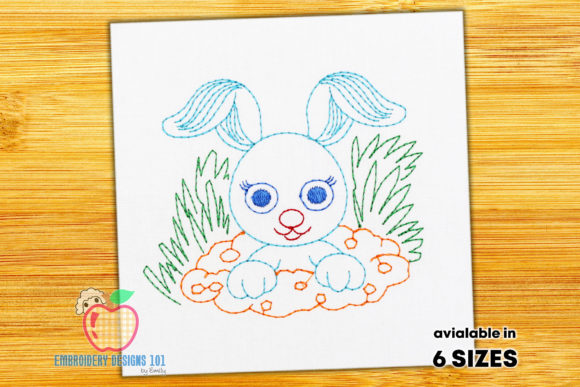
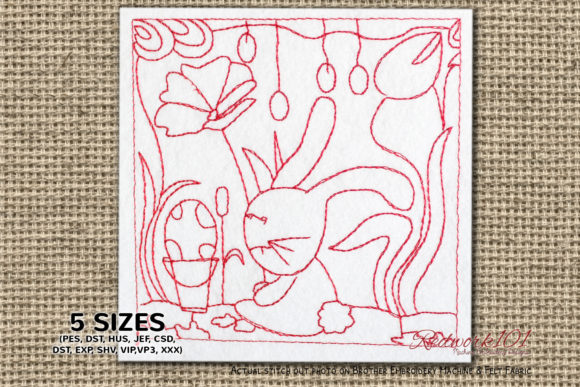
When browsing for seasonal embroidery designs, I often look for files that promise a balance between charming aesthetics and practical execution. The Easter Egg and Bunny Lineart embroidery file from Creative Fabrica caught my eye for its potential in spring-themed projects. This isn’t a dense, overly detailed illustration but a clean, open line-art style that evokes a gentle, playful mood. Its decorative appeal leans towards a modern, almost minimalist take on Easter motifs, which is a refreshing departure from the often overly busy holiday designs.
The design’s personality is rooted in its simplicity. This makes it a versatile candidate for a wide range of projects, from a subtle accent on a baby blanket to a statement piece on a tote bag. The optional box stitch mentioned in the description adds an interesting framing element that could elevate the presentation, especially if the outer box color is chosen to contrast with the main artwork, as noted. This gives the embroiderer a degree of creative control right from the start.
Where This Design Finds Its Natural Home
In considering real projects, Easter Egg and Bunny Lineart fits naturally into several key areas. For custom apparel, like sweatshirts or lightweight spring tops, its open design means it won’t create a stiff, heavy stitch area on the fabric. This is crucial for comfort and wearability. For handmade gifts and boutique merchandise—think kitchen towels, apron pockets, or pillow covers—the design offers a recognizable holiday theme without being kitschy, which can be important for customer appeal.
Etsy sellers and craft fair vendors should note its potential for creating cohesive seasonal lines. You could use the same embroidery file across different product types: a smaller version on a cap, a medium size on a baby bib, and a larger rendition on a decorative pillow. This kind of brand consistency is valuable for marketing. Furthermore, the line-art style lends itself beautifully to printable mockups for your shop listings, as the clean outlines are easy to integrate into digital presentations.
Performance in the Hoop: Practical Considerations
Moving from potential to practice requires a careful assessment. For real embroidery work, the design’s success hinges on its detail level. Lineart typically translates to running stitch or light satin stitch outlines. This generally means lower stitch density, which is advantageous. On textured fabrics like towels or on stretchy fabrics for apparel, a less dense design is less likely to distort the material or require heavy-duty stabilizer. On curved surfaces like caps, simpler designs often adhere better to the shape without puckering.
However, the mention of an optional box stitch introduces a consideration. If utilized, this framing element, likely a fill stitch or heavier satin stitch, could create a localized area of higher density. It’s wise to test on scrap fabric first, especially if combining the box with the main lineart, to ensure the fabric base can handle the combined stitch load without issues.
Navigating Fabric Color and Small Details
A specific note from the description is that "the color of the outer Box is a different color in most of the designs." This is a practical heads-up. It means you must plan your thread colors with intention. For maximum visual appeal on light fabrics, using contrasting colors for the box and the bunny/egg would be effective. On dark fabrics, you’ll need to ensure your thread choices provide enough contrast for the entire design to remain clearly visible. Creating simple light and dark fabric mockups digitally before stitching can save time and materials.
While the design appears clean, any machine embroidery design with small elements, like potentially tiny egg decorations or fine bunny features, deserves scrutiny. After stitching, inspect these small details closely. Ensure stitches are connecting properly and there are no excessive jumps or thread breaks that could compromise durability, especially on items like patches or products that will undergo frequent washing.
Impact on Product Value and Customer Trust
Using a well-executed design like this directly affects your finished product's perceived value. For handmade shop owners, the clean, professional look of this embroidery can enhance the overall presentation. A messy or overly dense embroidery can detract from the handmade quality; this design, by being graceful and intentional, supports a premium feel. This builds buyer trust—they see a coherent, attractive product.
The design’s giftability is high. It’s festive without being overwhelming, making it suitable for nursery decor, personalized gifts for children, or seasonal home accents. In product photography, the clear lines and potential for color pop make for attractive, crisp images that engage customers. For commercial embroidery applications, such as producing a line of embroidered patches or tote bags for a local boutique, the efficiency of stitching a less dense design can improve turnaround time and material costs.
Essential Steps Before Your First Stitch
My final advice as you consider Easter Egg and Bunny Lineart for your projects mirrors my own workflow. First, always confirm the file details and licensing on the Creative Fabrica product page before selling finished items. Understand the allowed uses for the digital embroidery file. Second, review the provided design information for any clues on recommended hoop size. If not specified, you’ll need to open the file in your software to assess the dimensions and determine the smallest practical hoop you can use.
Always use a proper stabilizer suited to your fabric choice, even with lighter density designs; it’s fundamental for clean results. Finally, if the description suggests the box is optional, explore both versions in your embroidery software. You might find that the design without the box offers a more minimalist look perfect for a small hoop on a cap, while the boxed version creates a fuller decorative asset for a pillow cover. This single Creative Fabrica embroidery file can thus serve multiple project moods, which is, in the end, a mark of a worthwhile design asset.