A Happy Cloud Embroidery Design: A Practical Designer Review
First Impressions: More Than Just a Cute Shape
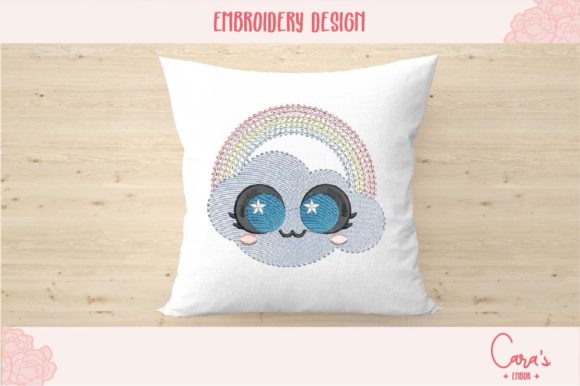
When you first look at Happy Cloud, its charm is immediate. This isn't a complex, overly detailed illustration; it’s a character. The design has a friendly, approachable personality that feels inherently positive. The theme is universal—a smiling cloud is almost a universal symbol of simple joy. This makes it incredibly versatile. The layout is clean and the detail level feels intentional; it’s not so dense that it would become a heavy stitch burden, but it has enough character to stand out as a finished product. It naturally belongs to projects meant to convey warmth, comfort, and a little bit of whimsy.
Where This Design Finds Its Home
From a practical standpoint, Happy Cloud sings on items where its mood aligns perfectly with the product’s purpose. Imagine stitching it onto a custom baby blanket or a nursery pillow cover. The Babies Kids category is a natural fit, but its appeal stretches far beyond. I’ve thought about it for a personalized tote bag intended as a birthday gift—it immediately elevates a simple bag into a cheerful, unique item. For small business merchandise, like a sweatshirt or apron sold in a boutique, it adds that handmade touch that customers love. It’s a strong candidate for holiday gifts, like a festive kitchen towel, or as a sweet, small detail on a wedding gift for a couple starting their new life. As an Etsy seller, this kind of design is gold: it’s recognizable, emotionally engaging, and translates beautifully into printable mockups for your listings.
Thinking Through a Real Project: The Custom Tote Bag
Let’s walk through a real case. I’m considering Happy Cloud for a series of custom embroidered tote bags for a local craft fair. My first thought is fabric choice. A mid-weight cotton canvas is ideal. The design’s positive vibe aligns perfectly with a casual, everyday bag. I’m thinking about thread colors—a classic blue and white scheme would work, but maybe a soft grey for the cloud on a denim bag could be stunning. The design’s clarity means it will stitch out with good definition, adding perceived value. A customer seeing this on a bag isn’t just buying a bag; they’re buying a little dose of happiness, which is a powerful sell for handmade products.
Performance on Different Surfaces: A Designer’s Considerations
In real-life embroidery projects, performance is key. Happy Cloud should stitch beautifully on custom apparel like t-shirts and sweatshirts, provided you use the correct stabilizer. On baby clothes, using a soft, stretchy knit fabric, you’d need to be extra mindful of stitch density to avoid puckering. Its simpler shape is actually a benefit here—fewer dense fill stitch areas mean less stress on the fabric. For an embroidered patch, it would be fantastic, as the outlines and details would translate clearly.
However, there are places to use it carefully. On very small hoop sizes, some of the smiling details might lose definition if the design isn’t scaled appropriately. On textured fabrics like thick wool blankets, you’d need to test to ensure the satin stitch or fill stitch elements sit cleanly. Stitching it on dark fabric requires careful thought about thread color contrast—a light cloud on a dark background will pop, but you must check that all details remain visible. Curved surfaces like caps are possible, but the design’s layout should be checked in a mockup to ensure it fits the curved area without awkward distortion.
How It Elevates Your Work and Business
From a professional perspective, using a design like this affects more than just the stitchout. It enhances visual appeal through its clear, friendly form. Stitching clarity translates directly to customer trust—a clean, well-defined embroidery shows craftsmanship. For a craft business, it contributes to brand consistency if you specialize in uplifting, whimsical items. Its giftability is high; it feels personal without being overly specific. For digital product sellers, offering this as part of a collection for commercial embroidery provides a reliable, appealing asset for other makers.
Practical Notes Before You Stitch
Before loading the embroidery file and starting a project, here are my grounded notes as a reviewer. Always test the design on scrap fabric first, especially the fabric you intend to use. This reveals how it handles the specific fabric texture. Check thread color contrast by viewing the design in both black and white mockups to understand its form without color. Inspect any small details in the preview to ensure they will stitch clearly at your intended size. Confirm the hoop size you need and that your machine can accommodate it. Most importantly, whether you’re creating for personal use or small shop products, confirm the licensing terms for the digital embroidery file before selling finished items. The product description mentions it has been tested, which is a good sign, but always verify the specifics for your commercial use case.
Final Judgment: A Confident Choice for Makers
Happy Cloud is a design I would confidently add to my library for client projects and my own handmade goods. Its strength is in its emotional resonance and practical simplicity. It avoids the pitfalls of overly complex designs that can stitch poorly on everyday items. It’s adaptable, from a baby’s first outfit to a cheerful kitchen towel for a friend. For creative entrepreneurs and makers, it represents a design that does its job well: it stitches up nicely, makes people smile, and turns a simple item into a special one. That’s the core of a valuable embroidery design.