Reviewing the Poppies Embroidery Design for Craft Fair Success
From a professional embroidery designer’s perspective, preparing for a weekend craft fair means scrutinizing every design you plan to offer. It’s about balancing aesthetic appeal with production practicality and sales potential. Today, I’m reviewing the Poppies embroidery design, considering how to best turn this digital file into profitable, beautiful handmade products for my booth.
First Impression: A Cute, Decorative, and Softly Elegant Floral
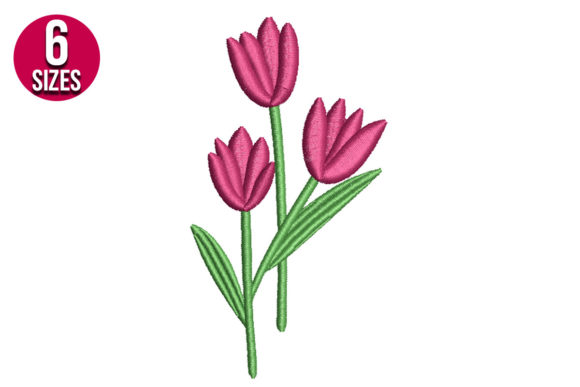
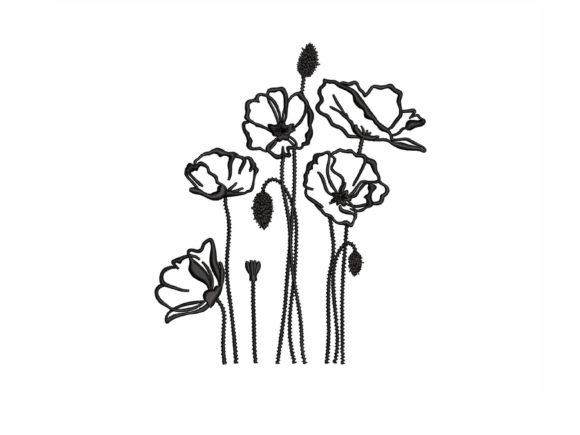
The title Poppies and the description promising a “lovely floral touch” immediately set a mood. This design leans towards cute and decorative, with a hint of soft elegance rather than bold modernism or rustic farmhouse. It feels inherently friendly and approachable—a quality that resonates well in a bustling craft fair environment. Customers scanning a table are drawn to warmth, and a floral like this provides a familiar, pleasant visual anchor. Its style suggests it won’t feel overly fussy or intimidatingly premium, making it suitable for a wide range of buyers looking for a pretty accent.
Where Poppies Will Stand Out on the Product Table
My imaginary table display includes tote bags, aprons, tea towels, caps, patches, pouches, pillow covers, and various giftable items. The key is matching the design’s character to the product’s function.
- Tote Bags & Market Bags: A single Poppies cluster stitched on the front pocket or lower corner adds immediate value. It transforms a simple bag into a handmade product with personality, perfect for catching the eye of someone looking for a unique everyday accessory.
- Aprons & Kitchen Towels: Here, Poppies performs beautifully. The cute floral vibe aligns perfectly with the homemaker or cooking enthusiast. On an apron bib or a tea towel corner, it looks intentional and charming, enhancing the handmade quality without overwhelming the item’s primary use.
- Pillow Covers: As the description suggests, decorative pillows are a prime candidate. A small, repeated motif or a larger central bunch can work, depending on the pillow size. This elevates a basic cover into a boutique-ready item.
- Embroidered Patches: This is a fantastic, low-cost option. A Poppies patch allows customers to customize their own items. It’s also a quick craft fair product to produce in batches and offers a lower price point for booth browsers.
- Caps & Apparel: On a curved cap surface or a t-shirt pocket, this design needs careful evaluation for scale. A smaller, simplified version might be necessary to maintain clarity on textured or curved fabrics.
- Small Pouches & Gift Items: For little fabric pouches or zippered cases, a single, small Poppies accent near the closure is perfect. It makes the item feel complete and giftable, a key consideration for last-minute shoppers.
The standout winners, in my judgment, are tote bag design and tea towel embroidery. They offer a large, flat surface for the design to shine, align perfectly with the cute decorative theme, and are perennial favorites at handmade markets.
Practical Production: Selling What You Can Make Well
Turning a digital embroidery file into physical stock requires a hard look at production logistics.
- Understanding at a Glance: The design is likely clear and recognizable—a poppy is a distinct flower. This is a major sales advantage. Customers don’t need to study it; they instantly see a pretty floral accent.
- Scale Flexibility: Does it work as both a small accent and a large focal point? I’d need to test the file. For small accents on pouches or towels, tiny details like thin stems or small petals might get lost or require too many thread color changes. For large applications on pillows, dense stitch areas in the flower heads could lead to long stitch times and heavy fabric distortion if not managed with proper stabilizer.
- Photography & Online Sales: For my Etsy listings and printable mockups, this design should photograph well. Florals on light-colored fabrics look crisp and appealing. However, on dark fabric, I must ensure the thread colors have enough contrast to pop in photos—a critical point for both my Etsy seller page and craft fair booth samples.
- Batch Production Repeatability: For a craft fair, I need to make multiples. A design with excessive stitch density or many color changes slows down production. I’ll assess if the Poppies file allows for efficient, consistent stitching across a batch of, say, twenty tote bags.
Careful-Use Notes for the Embroidery Designer
Before I commit to any product, my designer checklist is essential. These notes directly impact customer satisfaction and booth success.
- Test on Scrap Fabric First: Always stitch the Poppies design on a scrap of the actual material I plan to use—be it canvas for totes, linen for towels, or twill for caps.
- Check Thread Contrast: Stitch it on both light and dark scraps. Does the color palette hold its visual appeal and clarity on both?
- Review Spacing & Hoop Size: Confirm the design’s dimensions fit the intended hoop size for my products. A design meant for a 4x4 hoop might not scale cleanly to a 6x6 for a larger pillow.
- Inspect Stitch Density: Look for areas that might be too dense for lightweight fabrics or textured towels, which could cause puckering or a stiff feel.
- Use the Right Stabilizer: Match the stabilizer to the fabric and the design’s density. A tear-away might suffice for a canvas tote, but a cut-away could be needed for a stretchy cap.
- Create One Real Mockup: Before batch production, make one complete, finished product—a tote bag or pillow cover. This reveals any final issues with placement, finishing, and overall look.
- Compare Fabric Colors: Lay out my intended fabric colors and see which ones make the Poppies design sing. Some color combinations will sell better than others.
- Confirm Commercial Licensing: The description doesn’t specify license terms. I must verify that my digital embroidery file purchase includes a license for commercial embroidery and selling finished products at my craft fair booth or small shop.
How Poppies Boosts Booth Appeal and Buyer Engagement
A successful craft fair booth is a cohesive display that tells a story. Introducing a Poppies product line affects several key areas.
Visual Appeal & Customer Attention: A floral theme creates a soft, inviting section on my table. Grouping Poppies items together—a towel next to a matching apron, a tote bag behind a pillow—creates a vignette that draws customers in. It shows thoughtful curation.
Product Value & Handmade Quality: Well-executed embroidery instantly raises the perceived value of a base item. A tea towel becomes a “hand-embroidered tea towel.” This justifies a higher price point and appeals to buyers seeking authentic handmade product quality.
Brand Consistency: If my brand leans towards cute, decorative, or floral aesthetics, Poppies strengthens that identity. Consistency across products makes my booth look professional and trustworthy.
Booth Display Strength: Using a beautifully embroidered tote bag or pillow as a sample display item (holding other products or simply propped up) adds texture and depth to my booth, making it more engaging than a flat table.
Buyer Engagement: Florals like Poppies are conversational. Customers might comment on the color, ask if it’s their favorite flower, or mention how it would match their kitchen. This opens a dialogue, making the sale more personal and likely.
Final Designer Judgment for Craft Fair Readiness
Based on this review, the Poppies embroidery design holds strong potential for a craft fair booth, particularly within the Bouquets Bunches category. Its cute, decorative mood is broadly appealing. For production, its success hinges on practical testing for scale and density on the specific products I choose—with tote bags and tea towels being the most promising and practical candidates. The design can enhance product value, booth aesthetics, and customer interaction. However, the absolute first step is that real-world test stitch and license verification. A beautiful digital file only becomes a profitable craft fair product when it translates flawlessly into the tangible, stitch-by-stitch reality of the handmade items on my table.